2296 Henderson Mill Rd 111 A1, Atlanta, GA Mon-Sun: 7:00 AM - 7:00 PM
Licensed & Insured

Fence Contractor in Atlanta, GA Built for Red Clay, Slopes and Storms

Building a fence in Atlanta is harder than it looks. Red clay holds water around posts. Intown lots drop steeply toward creeks. Granite shelves can stop an auger a foot down. And every summer, thunderstorms and falling oaks knock down a few more sections of fence across the metro. That's why so many pine fences from the 1990s now lean or have rotted off at the ground. Atlanta Fence Contractor builds and repairs residential and commercial fencing with these conditions in mind. We set post depth, spacing and drainage for each yard, so your fence still stands straight years from now.

We work all over the city, from Craftsman bungalows in Kirkwood to brick ranches in North Druid Hills. Before we dig, you'll see the layout, heights and material options. You'll also get a clear schedule that takes your neighbors, HOA rules and property lines into account. Each jurisdiction has its own permit process, and we handle that too, whether you're in Decatur's historic districts, on Druid Hills' Olmsted-designed streets or on an older lot in East Point or Hapeville.

  • Bonded
  • Fully insured
  • Financing available

Atlanta homeowners and businesses work with us because we plan each fence for the ground it sits on, explain their options clearly and keep the schedule we set.

Request Your Free Estimate

No obligation. Fast, honest quotes.

Your information is never shared.

Online Estimates
Onsite Service
Licensed & Insured
Customer Rated
Local Expertise

Why Atlanta Fences Need a Contractor Who Knows the Ground

Most fence failures in Atlanta start below the ground. Wet clay, buried rock, steep grades, heavy tree cover and a patchwork of city, county and historic-district rules all affect how a fence should be built here. If a crew ignores them, you'll probably be paying for a new fence within ten years.

Climate: 50 Inches of Rain, Humid Summers and Falling Trees

Atlanta gets about 50 inches of rain a year, and it's spread across every season. A summer storm can drop 1–2 inches in an hour, which leaves post bases sitting in standing water. Summer dew points stay in the 70s, so pine pickets and rails can stay damp for weeks. Rot and mildew are worst on shaded, north-facing fence lines. Winter frost only reaches about 6 inches deep, but repeated wet-then-freeze cycles can still lift posts set in holes that don't drain. The city calls itself the 'City in a Forest' for good reason. Its oaks, poplars and pines drop limbs in spring storms, in ice storms like the ones in 2014 and 2018, and in tropical remnants like Irma and Helene. UV is strong for about eight months a year, which fades stain and makes cheap vinyl brittle.

Soil, Rock and Termites

Most of the metro sits on Georgia red clay, a dense, iron-stained kaolinite soil. It drains slowly, swells when it's wet and shrinks during late-summer dry spells. That cycle loosens posts a little more every year. Toward Stone Mountain and Arabia Mountain in DeKalb, granite can sit just below the surface, so we may need a power auger or rock bit. Eastern subterranean termites are everywhere here, and Formosan termites have been found in the metro. Any wood post that touches soil needs to be UC4A/UC4B ground-contact pressure-treated lumber. We also shape the concrete collar so water runs away from the post instead of pooling against it.

Built Environment: A Century of Housing Styles

Atlanta's housing spans more than a century. There are 1900s bungalows and Queen Annes in Inman Park, Grant Park, Virginia-Highland and Candler Park, and 1920s Tudors in Druid Hills and Avondale Estates. Brookhaven, Chamblee and Smyrna have mid-century ranches on wooded lots, many still fenced with chain-link that's 50 or more years old. Modern farmhouses and townhomes keep going up near the BeltLine. Each style calls for a different fence: a picket in front of a bungalow, horizontal cedar behind an infill home, black aluminum around a pool. Many lots are steep and run to creek or ravine edges, so panels have to be stepped or racked to follow the grade.

Regulations: Many Jurisdictions, Many Rules

Inside the City of Atlanta, front-yard fences are generally limited to about 4 feet and side and rear fences to about 6 feet. Fences also can't block the sight triangles drivers need at corners and driveways. In historic districts like Inman Park, Grant Park and Candler Park, a new front fence usually needs a Certificate of Appropriateness from the Urban Design Commission. Atlanta's Tree Protection Ordinance can apply if post holes reach into a protected tree's root zone. Unincorporated DeKalb, Decatur, Brookhaven, Smyrna, East Point and the other nearby cities each have their own codes, and Vinings follows Cobb County rules. On top of that, pool barriers have to meet the swimming pool code adopted in Georgia, state law requires a Georgia 811 call before digging, and stream buffers limit where a fence can go.

Know The Signs

Common Fence Problems We See Around Atlanta

Most of the calls we get come from a handful of problems: posts rotting in wet clay, storm damage, dogs digging out and old chain-link rusting through. Here's what causes each one locally, how to spot it early and how serious it is.

Rotted or Leaning Wood Posts

Serious

This is when a post decays right at ground level or tips out of plumb, pulling the panels with it. It usually starts where the wood meets wet soil, which is often hidden under mulch or turf until the fence visibly leans.

Why it happens here

Lots of Atlanta fences built in the 1990s and 2000s used pine posts set straight into red clay with no gravel base. Clay holds water against the wood after every storm, and humid summers keep it from drying out. Termites move into the softened wood. Pine posts installed this way often lean or snap within 7–12 years. Shaded rear lines under oaks and poplars fail first because the sun never dries them.

Signs to watch for
  • Fence sways when you push a panel
  • Visible lean along a run of panels
  • Soft, spongy wood at the soil line
  • Gate no longer latches or drags
  • Mud tubes or hollow-sounding posts (termites)
  • Gaps opening between panels
Local patterns

Common behind 1990s and 2000s homes in Smyrna, Chamblee and Brookhaven, and on shaded north-facing lines in Druid Hills and Candler Park. Problems often show up after a wet winter or right after a summer of heavy storms.

Our fix

Replace failed posts with UC4B ground-contact lumber or steel posts, set on a gravel base with a water-shedding concrete crown. Healthy panels are reused when they're still sound.

Storm and Fallen-Tree Damage

Emergency

This means sections crushed, snapped or flattened by falling trees, large limbs or high wind. The yard is suddenly open, and there's often debris tangled in the rails, broken posts and gates bent out of square.

Why it happens here

Atlanta's dense canopy is great for shade, but it's hard on fences. Spring severe-weather outbreaks, summer thunderstorms, ice storms like January 2014 and 2018, and tropical remnants such as Irma and Helene regularly bring down oaks, pines and sweetgums. Wet clay loosens tree roots, so trees topple more easily. A single tree can take out 30–60 feet of fence and leave dogs or a pool unsecured.

Signs to watch for
  • Tree or limb resting on the fence
  • Snapped posts or rails
  • Panels pushed out of line
  • Gate frame bent or won't close
  • Pet or pool area left open
  • Hail dents on metal or cracked vinyl
Local patterns

Common on wooded lots in Druid Hills, Brookhaven, Vinings and Panthersville, and along creek corridors. Calls cluster after spring storm lines and tropical systems.

Our fix

Once the tree is cleared, we secure the opening with temporary fencing when needed, document the damage for your insurance claim and rebuild matching sections.

Dog Escapes Under Fences on Sloped Lots

Moderate

These are gaps under the bottom rail where the fence runs downhill or where a dog has dug through soft soil. Determined dogs squeeze or tunnel out even when the fence above looks solid.

Why it happens here

Lots of intown lots slope steeply, so straight panels leave triangular gaps beneath them. Red clay shrinks in dry spells and erodes in downpours, which makes the gaps bigger over time. Dog ownership is high across the metro, and many owners have large breeds. Add deer, coyotes, raccoons and foxes moving along creek lines, and you have plenty for a dog to chase.

Signs to watch for
  • Triangular gaps under stepped panels
  • Fresh digging along the fence line
  • Washed-out soil after storms
  • Dog found outside the yard
  • Wildlife entering the yard
Local patterns

Common on hilly lots in Kirkwood, East Atlanta, Grant Park and Decatur, and on creek-edge yards in Candler-McAfee and Belvedere Park.

Our fix

Rack or properly step the panels, then add buried wire mesh, rot boards or concrete footers along the bottom so there's nowhere left to dig out.

Non-Compliant Pool Barriers

Serious

This is a pool enclosure that doesn't meet code: it's under 48 inches tall, has climbable openings, or its gates don't self-close and self-latch. It's a serious child-safety risk and a liability for the owner.

Why it happens here

Pool fences in Atlanta often get damaged by fallen limbs or added piecemeal during renovations. Older homes with pools put in decades ago may have barriers that were never brought up to the pool code Georgia now uses. Humidity also corrodes cheap hinge springs and latches, so gates that closed on their own when new eventually stop latching.

Signs to watch for
  • Gate doesn't swing shut on its own
  • Latch fails to catch
  • Fence under 48 inches
  • Horizontal rails a child could climb
  • Gaps under the fence or between pickets
Local patterns

Common in Brookhaven, Vinings, Druid Hills and Smyrna backyards, and when buyers of older homes in Decatur or Avondale Estates start renovations or have a home inspection.

Our fix

Install code-compliant aluminum or ornamental pool fencing with self-closing, self-latching gates and proper picket spacing.

Disputed or Unclear Property Lines

Minor

This is not knowing exactly where your property line runs, so a new fence risks landing on a neighbor's land. It often leads to disputes over cost, placement and which side faces out.

Why it happens here

Rear lines on older Atlanta lots are often overgrown, with buried or missing survey pins. Infill homes going up next to century-old houses raise questions about shared fences and who pays. Creek edges, easements and stream buffers add more limits. HOAs often require the finished side to face out.

Signs to watch for
  • No visible survey pins
  • Old fence that wanders off the line
  • Neighbor questions about placement
  • Overgrown back corners
  • New construction next door
Local patterns

Frequent behind teardown rebuilds in Kirkwood, East Atlanta and Brookhaven, and on wooded ravine lots in Druid Hills and Smyrna.

Our fix

We recommend a survey or pinned line when boundaries are unclear, review the layout with you and plan the fence so it stays on your side.

Faded, Mildewed or Vine-Choked Wood

Minor

This is a weathered fence that has turned gray, grown black mildew or been overrun by kudzu, ivy or privet. The structure may still be sound, but the wood is wearing out and the vines speed that up.

Why it happens here

Strong UV for about eight months a year breaks down stain, and humid summers grow mildew on shaded boards. Invasive vines spread fast along wooded property lines and hold moisture against the wood. Without resealing every 2–3 years, pine and cedar wear out quickly.

Signs to watch for
  • Gray, splintering boards
  • Black or green mildew patches
  • Vines lifting pickets
  • Cupped or split boards
  • Stain worn off the sunny side
Local patterns

Common along wooded rear lines in Avondale Estates, Decatur and Panthersville, and on cedar fences in Virginia-Highland and Inman Park that are now 3–5 years old.

Our fix

Clear the vines, clean the wood, replace damaged boards, then apply a penetrating stain or paint with UV and mildew protection.

What We Do

Fence and Gate Services for Atlanta Homes and Businesses

We handle every type of fence and gate project, from new residential installs to commercial security perimeters, along with repair, replacement and finishing work. Each project starts with the same review of soil, slope and drainage. After that, we look at your goals, budget and whatever rules your neighborhood has.

Specialty

Wood, Cedar & Privacy Fence Installation

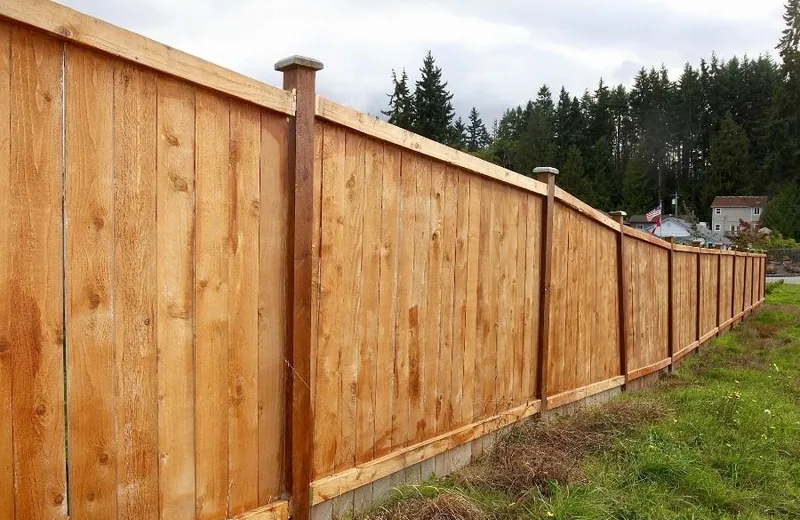
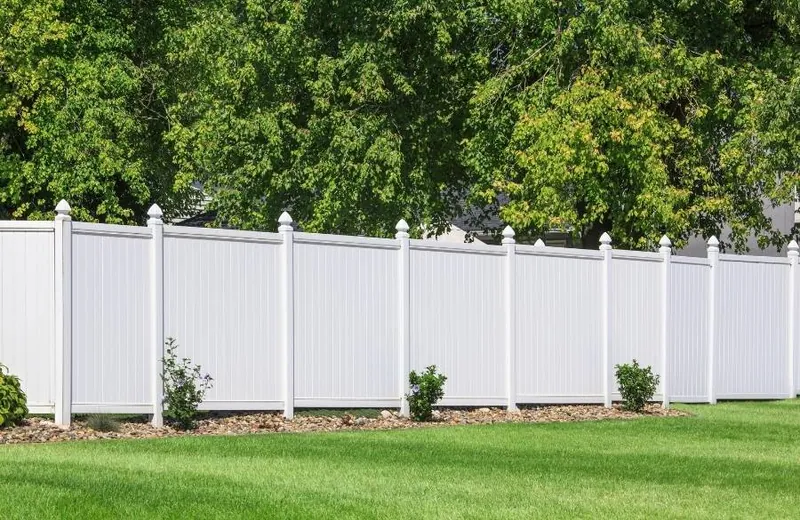
We build 6-foot board-on-board and stockade privacy fences in pressure-treated pine or cedar for residential yards. It's the most requested fence installation in Atlanta, where privacy and enclosed space for dogs and kids are top priorities.

Our approach

We use ground-contact UC4A/UC4B posts or steel posts, gravel bases, crowned concrete collars and, where it makes sense, ring-shank or screw fasteners. Panels are stepped or racked to follow the grade.

In Atlanta, GA

With infill going up next to older homes in Kirkwood, East Atlanta and Brookhaven, homeowners want taller screening. We size the fence to local height limits and to your HOA's rules on which side faces out.

Best for

Families, dog owners and homeowners next to new construction who want affordable, full privacy that's built to hold up in Atlanta clay.

Specialty

Horizontal, Shadow Box & Custom Fence Design

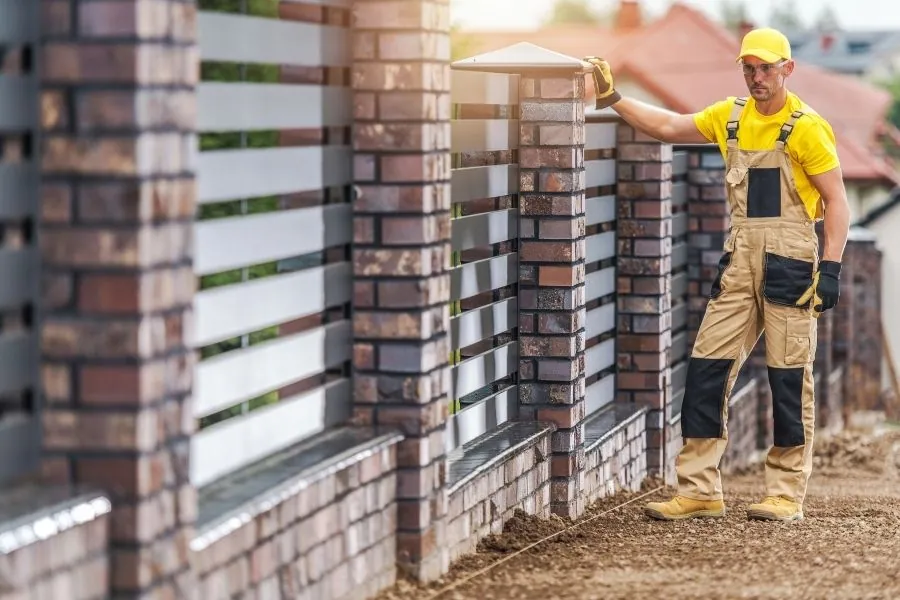
We design and build modern horizontal slat fences, shadowbox fences that look finished from both sides, and fully custom fences in mixed materials. Custom fence design lets you match the fence to your home's architecture.

Our approach

We frame with steel or heavy wood posts, add mid-span supports to keep horizontal boards from sagging, keep reveals consistent, and choose cedar or premium boards that resist cupping in the humidity.

In Atlanta, GA

Horizontal cedar is everywhere around Virginia-Highland, Inman Park and BeltLine infill. Shadowbox fences settle shared-fence questions between neighbors because neither side gets the back of the fence.

Best for

Design-focused homeowners, modern farmhouse and infill builds, and shared property lines.

Vinyl, PVC & Composite Fence Installation

We install vinyl/PVC privacy, picket and semi-private fences, plus composite fencing that looks like wood without the rot, termites or regular restaining.

Our approach

We specify UV-stabilized, thick-walled vinyl so it won't turn brittle under Georgia sun, use aluminum-reinforced rails and gate posts, and set posts with drainage that suits the clay.

In Atlanta, GA

These are a strong choice for investor-owned rentals in East Point and College Park and for shaded lots where wood keeps mildewing. In historic districts, vinyl is often discouraged facing the street, so we'll check before you commit.

Best for

Landlords and busy homeowners who want a low-maintenance fence that doesn't feed termites.

Aluminum, Wrought Iron & Decorative Fence Installation

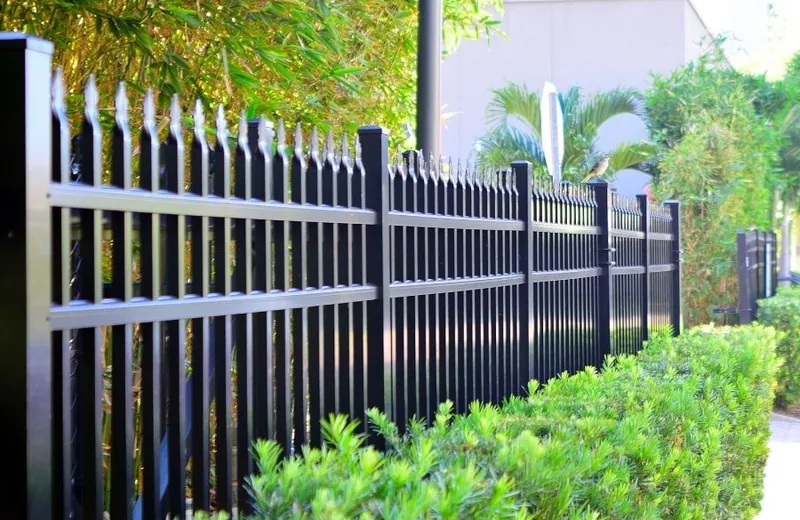
We install black aluminum, wrought iron and decorative ornamental fencing for front yards, pools and estate perimeters.

Our approach

Powder-coated, rackable aluminum panels follow steep grades without stair-step gaps. Posts are core-set or surface-mounted, and iron work is finished to resist rust in the humidity.

In Atlanta, GA

In the Druid Hills, Grant Park and Decatur historic districts, iron and similar traditional materials are generally preferred for front fences. We also build to Brookhaven and Vinings HOA rules that often require black aluminum only.

Best for

Historic homes, front yards, HOA communities and anyone who wants security without blocking the view.

Pool Fence Installation

We build pool barriers that meet the swimming pool code adopted in Georgia: at least 48 inches tall, with self-closing, self-latching gates and non-climbable spacing.

Our approach

We use aluminum or ornamental steel with code-compliant picket spacing, magnetic latches, and hinges rated to keep working in humid weather. We test gate closure before we leave.

In Atlanta, GA

For new pools in Smyrna and Brookhaven, and for older Druid Hills pools that need a compliant barrier before a sale or renovation.

Best for

Pool owners, families with young children and buyers dealing with inspection items.

Gate, Driveway Gate, Electric Gate & Automatic Gate Systems

We install walk gates, double drive gates, sliding and swing driveway gates, and electric gate openers with keypads, remotes and safety sensors.

Our approach

We set oversized posts in deep footings, use adjustable hinges and diagonal bracing so gates don't sag, and size the operator to the gate's weight and the slope of the drive.

In Atlanta, GA

Automatic driveway gates are becoming more common in Buckhead, Vinings and Brookhaven, and on homes near busy roads and the BeltLine where security matters. We also handle gate repairs.

Best for

Security-minded homeowners, larger properties and anyone with a sagging gate.

Fence Repair & Fence Replacement

We repair storm damage, leaning posts, broken rails and failing gates. When repair no longer makes sense, we do a full fence replacement, including tear-out and haul-away.

Our approach

We check each post to decide between repair and replacement, match materials when possible, and reset failed posts with proper drainage.

In Atlanta, GA

After storms, we document damage for insurance claims. We also replace the many 1990s pine fences in Smyrna, Chamblee and Decatur that have rotted at the ground.

Best for

Storm-damaged, leaning or worn-out fences.

Fence Staining & Painting

We clean, brighten and stain or paint new and existing wood fences to protect them from UV, mildew and moisture.

Our approach

We let new wood dry before the first coat, use penetrating semi-transparent or solid stains with mildewcide, and coat both sides along with the end grain.

In Atlanta, GA

Atlanta humidity means wood needs resealing about every 2–3 years. That's especially true on shaded north-facing runs in Decatur and Avondale Estates.

Best for

New cedar or pine fences and faded fences that are still structurally sound.

Picket, Split Rail, Garden, Lattice & Bamboo Fencing

We install white or black picket fences, split rail fences, garden fences and hog-panel enclosures, lattice and trellis panels, and bamboo screening.

Our approach

We use decorative layouts that follow historic proportions, deer-height garden enclosures, and rot-resistant posts for split rail and trellis.

In Atlanta, GA

Picket fences suit bungalows in Kirkwood and Candler Park. Deer-resistant garden fences help in Druid Hills and Brookhaven. Split rail fits wooded lots in Panthersville.

Best for

Historic homes, gardeners, decorative borders and screening.

Farm Fence Installation

We install board, woven-wire and field fencing for larger lots, hobby farms, chickens and livestock on the edges of the service area.

Our approach

We use braced corner assemblies, tensioned wire, and ground-contact posts set for clay and rock.

In Atlanta, GA

This works for large wooded parcels in south DeKalb and Panthersville, and for keeping deer and coyotes out of gardens and coops.

Best for

Acreage owners, hobby farmers and backyard flocks.

Commercial, Security & Temporary Fence Installation

We install commercial perimeter fencing, security fencing with restricted access gates, and temporary fence panels for job sites, events and storm cleanup.

Our approach

We use heavy commercial chain-link, ornamental steel or anti-climb mesh, with access control integration and weighted temporary panels.

In Atlanta, GA

Common jobs include businesses along Buford Highway and near Hartsfield-Jackson, apartment communities, and infill sites near MARTA and the BeltLine.

Best for

Property managers, contractors, business owners and HOAs.
Simple & Transparent

How We Build Your Fence, Step by Step

Building a fence in Atlanta involves locates, permits, slopes and neighbors. Here's how each project goes, and roughly how long each step takes.

Site Visit & Consultation

  • Walk the fence line and measure the run
  • Check slope, drainage, trees and vines
  • Note utilities, easements and creek buffers
  • Talk through privacy, pet, pool and security goals

We look for signs of rock in DeKalb, failing retaining walls, and protected trees whose root zones the post holes might reach.

Typically 45–60 minutes on site

Layout, Materials & Written Quote

  • Review layout options, heights and materials
  • Plan stepped or racked panels for slopes
  • Itemize the quote, including tear-out and gates
  • Discuss financing options if you want them

We check local height limits, HOA covenants and historic-district material rules before you choose.

Usually within a few days of the visit

Permits, Approvals & Utility Locates

  • Confirm the permit requirements for your city or county
  • Assist with HOA or design-review submittals
  • Call Georgia 811 and wait the required period
  • Recommend a survey if property lines are unclear

Atlanta, Decatur, Brookhaven, unincorporated DeKalb and Cobb each have different rules. Urban Design Commission or Historic Preservation Commission review may apply.

Varies by jurisdiction; historic review can add weeks

Installation

  • Clear vines and remove the old fence
  • Auger holes and drill rock where needed
  • Set posts on gravel with crowned concrete
  • Hang panels and gates, and close gaps at grade

Clay that's soaked after heavy rain can push the schedule back a day. We'll keep you and your neighbors posted on arrival times.

Most residential fences take 1–4 days

Final Walkthrough & Care Plan

  • Walk the full line with you
  • Test gates, latches and pool closures
  • Clean up and haul away debris
  • Explain staining or maintenance timing

For new wood, we tell you when it's ready for its first stain. In Atlanta humidity, that's often after a few weeks.

Same day as completion
The Atlanta Fence Contractor Difference

Why Atlanta Property Owners Choose Atlanta Fence Contractor

Built for Red Clay, Rock and Rain

Most fences fail at the post, so that's where we put our effort. On every job, we plan post depth, spacing and drainage for Atlanta's slow-draining red clay. We use gravel bases, ground-contact rated lumber or steel posts, and concrete crowned so water runs away from the post. When we hit granite toward Stone Mountain or a web of oak roots, we bring the right auger or rock bit instead of making the holes shallower. That's how we keep a new fence from leaning or rotting in seven to twelve years like so many older Atlanta fences have.

Sloped Lots Done Right

Intown Atlanta is hilly. Lots in Kirkwood, East Atlanta, Decatur and Smyrna can drop several feet across one fence run. We decide panel by panel whether to step or rack, so the top line looks clean and the bottom doesn't leave gaps a dog can slip through. Where the ground falls away, we close the space with rot boards, buried mesh or custom-cut pickets. You get a fence that looks intentional on the slope and keeps pets inside.

Bonded and Insured

Fence work involves power augers, concrete and heavy materials, often right next to a neighbor's yard, a creek bank or a mature tree. Atlanta Fence Contractor is bonded and insured, so you're protected if something unexpected happens. Plenty of Atlanta homeowners collect several quotes, and this is one of the first things worth checking. Ask any contractor for proof of coverage before work starts. We're glad to provide ours.

We Know the Rules Where You Live

Our service area takes in the City of Atlanta, unincorporated DeKalb and Cobb, and more than a dozen small cities. Each one handles fence heights, permits and design review its own way. Historic districts like Inman Park, Grant Park and Druid Hills often require a Certificate of Appropriateness for front fences. HOAs in Brookhaven, Vinings and Chamblee may dictate color, material and which side faces out. We sort out those requirements before we order materials, so you aren't stuck tearing out a fence that doesn't comply.

See Your Options Before We Dig

You'll review layout options, heights and materials with us before installation. We'll compare cedar, pine, vinyl, aluminum and composite against your budget, your maintenance tolerance and your lot. Quotes are itemized: posts, panels, gates, tear-out, haul-away and any extras like rock drilling or vine clearing. That makes it easy to compare us with other bids. If you need help with the cost, financing is available.

A Clear Schedule That Respects Neighbors

Fences sit on property lines, so neighbors are always part of the project. You'll get a clear installation schedule. We'll recommend a survey when survey pins are missing or buried under ivy, and we'll help you plan shared fences between infill homes and older houses. Crews keep noise and debris under control and leave the site clean, so things stay friendly on both sides of the fence.

One Contractor for Every Fence and Gate

Need a cedar privacy fence out back, an aluminum pool fence and a new automatic driveway gate? You don't need three contractors for that. We handle residential and commercial installation, repair, replacement, staining and gates under one roof. That includes storm-damage repairs after a tree comes down and temporary fencing while the permanent fence is rebuilt. With one point of contact, materials match and scheduling is simpler.

Trusted Locally

Bonded, Insured and Local to Atlanta

Atlanta homeowners and businesses work with us because we plan each fence for the ground it sits on, explain their options clearly and keep the schedule we set.

20-Mile
Service Radius Around Atlanta
17
Communities Served
30+
Fence & Gate Services
Bonded & Insured
On Every Project
BondedInsuredFinancing available
Where We Work

Fence Installation Across Metro Atlanta

Atlanta Fence Contractor serves the City of Atlanta and surrounding communities within a 20-mile radius. Whether you live in a historic intown neighborhood, a DeKalb suburb with mid-century homes or a southside city near the airport, we know the local soil, slopes and permit rules.

Intown Atlanta & Historic Eastside

AtlantaDruid HillsDecaturAvondale EstatesNorth Druid Hills

DeKalb County & North Suburbs

BrookhavenChambleeClarkstonScottdaleCandler-McAfeeBelvedere ParkPanthersville

Southside & West Metro

East PointCollege ParkHapevilleForest ParkSmyrnaVinings

We serve properties within roughly 20 miles of Atlanta. If you're near the edge of that radius, contact us and we'll confirm coverage. Not sure if we cover your area? Call (470) 275-1174.

Transparent Pricing

How Much Does a Fence Cost in Atlanta?

Most fences in Atlanta are priced per linear foot. The final number depends on material, height, terrain, gates and site prep. Below are the main factors and some typical project ranges for the metro, so you can budget before you call.

Primary Factor

Material Choice

Material has the biggest effect on price. Pressure-treated pine privacy fencing usually costs the least per foot. Cedar, vinyl and aluminum are in the middle. Horizontal cedar, composite and wrought iron cost the most. In Atlanta's humidity, low-maintenance materials can save you money on staining and repairs over the years, so compare the cost over 15–20 years and not just the install price.

Primary Factor

Length, Height and Layout

More linear feet means more posts, panels and labor. A 6-foot privacy fence costs noticeably more than a 4-foot front picket fence. Corners, angles and terminal posts add cost too. Local height limits help decide the height: in Atlanta, front fences generally top out around 4 feet and side and rear fences around 6 feet, so check those before planning taller screening.

Site Factor

Slope, Rock and Soil Conditions

Steep intown grades take extra time to step or rack panels and close the gaps underneath. Granite shelves, heavy roots or old buried concrete may call for rock bits or extra digging. Saturated clay can slow the work. These conditions don't affect every lot, but they're common enough in Atlanta and DeKalb that we check for them during the site visit and list them in the quote.

Add-On Factor

Gates and Automation

A walk gate adds a modest amount. Double drive gates add more, and automatic driveway gates with openers, keypads and safety sensors are a significant investment. Pool gates need self-closing, self-latching hardware. Heavier gates need larger posts and deeper footings to keep from sagging, and that's built into the price.

Site Factor

Removal, Clearing and Permits

Taking out an old fence, clearing kudzu, ivy or privet from the line, and hauling debris away all add to the cost. Permit fees, historic-district review, HOA submittals and survey work depend on your jurisdiction. All of these are itemized in the quote.

Typical projectDetailsEstimated range
Pine privacy fence, backyard enclosureAbout 150 linear feet of 6 ft pressure-treated pine with one walk gate, on a moderately sloped Kirkwood or Decatur lot$5,000 – $8,500
Horizontal cedar privacy fenceAbout 120 linear feet of 6 ft horizontal cedar with steel posts and a matching gate, on an intown infill lot$7,500 – $13,500
Aluminum pool barrierAbout 120 linear feet of 54-inch black aluminum with a self-closing, self-latching gate in Brookhaven or Smyrna$6,000 – $10,500
Automatic driveway gateA single swing or slide ornamental gate with an electric opener, keypad and safety sensors in Vinings or Buckhead$6,500 – $18,000

Financing is available for qualifying fence and gate projects. Ask about options during your consultation. A properly built fence adds privacy, security and curb appeal. It also gives your dog a safe yard and keeps you compliant around a pool. If the posts are set right the first time, you're paying for one fence instead of replacing it in ten years.

Questions & Answers

Atlanta Fence FAQs

How much does a new fence cost in Atlanta?

Most residential fences in Atlanta cost roughly $30 to $90 or more per linear foot installed, depending on the material. A 150-foot pressure-treated pine privacy fence often runs $5,000–$8,500. Horizontal cedar or ornamental aluminum costs more, and automatic driveway gates are a separate investment that can reach five figures. Steep slopes, rock, old fence removal and vine clearing can raise the price. We itemize every line of the quote so you can compare it with other bids. Financing is available if you'd like to spread out the cost.

Do I need a permit to build a fence in Atlanta?

It depends on where your property is. The City of Atlanta, unincorporated DeKalb, Cobb (for Vinings) and cities like Decatur, Brookhaven, Smyrna and East Point each have their own rules. Some require a permit for any new fence. Others only require one above a certain height or in front yards. In historic districts like Inman Park, Grant Park and Druid Hills, a front-yard fence usually needs design review first. HOAs may also need to approve it. We confirm the requirements for your address before we order materials.

How long does fence installation take?

Most residential fences take one to four days on site once the work starts. Before that, Georgia law requires a call to Georgia 811 and a waiting period for utility locates. Permits and HOA approvals add time, and historic-district review can add several weeks. Spring and early summer are the busiest season in Atlanta, so lead times are longer then. Heavy rain can also push a day back, because digging soaked clay makes for weaker footings. You'll get a clear schedule up front.

How tall can my fence be?

Inside the City of Atlanta, fences are generally limited to about 4 feet in front yards and about 6 feet in side and rear yards. Fences also can't block the sight triangles at corners and driveways. Other cities and unincorporated DeKalb and Cobb have their own limits, and HOAs may be stricter. Pool barriers must be at least 48 inches tall. If you want extra screening from new infill next door, we'll explain what's allowed for your property.

Which fence material lasts longest in Atlanta's climate?

Aluminum, quality vinyl and composite last the longest with the least upkeep because they don't rot and termites won't eat them. Cedar resists decay better than pine but still needs staining about every 2–3 years in our humidity. Pressure-treated pine is affordable and lasts well when the posts are ground-contact rated and set with proper drainage. Most failures come from installation, not material. Posts set straight into wet red clay rot no matter what's attached to them.

How can I keep my fence from rotting or leaning?

Start with the posts. Use UC4A/UC4B ground-contact lumber or steel, set on gravel, with concrete crowned so it sheds water. After that, keep mulch and soil off the bottom boards, trim back ivy, kudzu and privet, and restain wood every 2–3 years. Have limbs that hang over the fence pruned before storm season. Check gates and posts once a year, especially after a wet winter. Catching a loose post early costs far less than replacing a whole run.

When should I repair my fence and when should I replace it?

Repair makes sense when the damage is limited to a few posts, a storm-damaged section or a sagging gate, and the rest of the fence is solid. Replacement is usually the better choice when many posts are rotted at ground level, the fence leans along long runs, or old chain-link has rusted through. Don't wait if a pool barrier or dog enclosure is compromised. Secure it right away, because that's a safety issue.

Can you help after a tree falls on my fence?

Yes. Once the tree or limb has been cleared, we'll assess the damage, document it with photos and measurements for your insurance claim, and rebuild the damaged sections with matching materials whenever possible. If dogs, kids or a pool are now exposed, we can put up temporary fencing to secure the yard until the permanent repair is done. Storms, ice storms and tropical remnants knock down plenty of trees in Atlanta, so a matching rebuild matters to most homeowners.

Find Us

Serving Atlanta, GA & Nearby

2296 Henderson Mill Rd 111 A1, Atlanta, GA, 30345

Ready When You Are

Start Your Atlanta Fence Project Today

Whether you need a new privacy fence, a code-compliant pool barrier, a driveway gate or a repair after the last storm, we'll help you plan a fence that holds up in Atlanta's clay, slopes and weather.

  • An on-site review of your slope, soil, drainage and trees
  • Layout, height and material options before anything is installed
  • An itemized quote with no surprise line items
  • Help with permits, HOA approvals and historic-district rules
  • A Georgia 811 utility locate before any digging
  • A clear installation schedule that respects your neighbors
  • A bonded and insured crew, with financing available

We serve Atlanta and communities within 20 miles, including Decatur, Druid Hills, Brookhaven, Smyrna, East Point and College Park.

Tree on your fence or pool barrier down after a storm? Call us. Tell us whether pets or a pool need securing, and we'll prioritize making the yard safe.

Bonded · Insured

Atlanta Fence Contractor Free estimates across Atlanta, GA